Video Description
This episode contains outdated racial language.
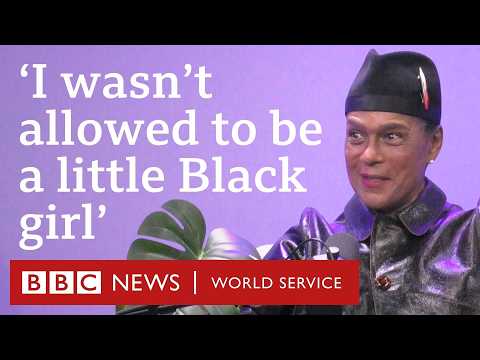
As lead singer of The Selecter, Pauline Black pushed music and racial boundaries but struggled with her own identity. Adopted by a white family as a baby, it took decades to understand her past— and find her birth parents.
Click here to subscribe to our channel ?? https://bbc.in/3VyyriM
In 1979, Pauline Black shot to fame as the electrifying lead singer of The Selecter, the British two-tone band that fused ska, punk and reggae. With her sharp suits, trademark trilby hat and bold stage presence, Pauline created a unique ‘rude girl’ persona characteristic of British-Jamaican youth culture and broke barriers in a society scarred by racism.
But behind the music, Pauline carried a deeply personal struggle. Adopted as a baby by a white family, she grew up hearing harmful stereotypes about Black men — all while trying to understand her Nigerian heritage. It took decades for her to uncover the truth about her birth parents and reclaim her identity.
But behind the music, Pauline carried a deeply personal struggle. The daughter of a Nigerian prince, she was adopted as a baby by a white family and grew up hearing harmful stereotypes about Black men. It took decades for Pauline to uncover the truth about her birth parents and reclaim her identity.
Presenter: Jo Fidgen
Producer: Maryam Maruf
Video Producer: Beatrice Guzzardi
00:00 Coming up on this episode
01:04 Intro
02:10 Growing up as Belinda Magnus
06:00 Finding out about being adopted
08:40 How Black people were seen at the time
10:22 Not being allowed to be a little Black girl
13:44 Discovering Langston Hughes poems
17:08 Leaving home and becoming a musician
20:20 Changing her name from Belinda Magnus to Pauline Black
28:52 Facing racism in a department store in London
30:40 Deciding to find her birth mother
35:05 Finding out about her father’s heritage
38:10 Outro
Watch more from Lives Less Ordinary on our YouTube playlist ?? https://youtube.com/playlist?list=PLz_B0PFGIn4fxldjnO2SAJ-Lg-owG7RR_&si=sw23069eN__UaEmf
----------------
This is the official BBC World Service YouTube channel.
If you like what we do, you can also find us here:
Instagram ?? https://www.instagram.com/bbcworldservice
Twitter ?? https://twitter.com/bbcworldservice
Facebook ?? https://facebook.com/bbcworldservice
BBC World Service website ?? https://www.bbc.co.uk/worldserviceradio
Thanks for watching and subscribing!
#BBCWorldService #WorldService #podcast #music #ska #racism