TEDx Talks banner
TEDx Talks avatar
TEDx Talks
@tedx
Subscribers44.4M
Views9B
Videos263.8K
TEDx TalksPublished at June 5, 2026 at 12:52 AM11:12
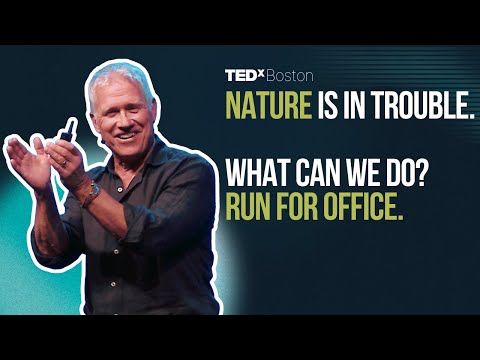
What happens when we put nature on the ballot? | Mike Phillips | TEDxBoston thumbnail

What happens when we put nature on the ballot? | Mike Phillips | TEDxBoston

9 days agoActive window
ConservationEcologyEmpowermentEnglishNaturehappens put nature
Published time
June 5, 2026 at 12:52 AM
Duration
11:12
Video type
Education
Channel region
United States
Publish Timing Insight
Not enough timing data
This channel still lacks enough historical upload timing data. Let the channel accumulate more snapshots before evaluating the best timing.
Monetization Insight
High RPM
This video sits in a relatively high RPM range, suggesting a more monetization-friendly topic.
Action Suggestion
Watch for sustained growth
The basic conditions are already in place. Keep watching 7-day views and revenue before deciding whether this topic should become a series.
Views
160
Likes
4
Comments
0
Estimated Daily Revenue
-
Estimated Total Revenue
$0.18 - $1.08
RPM Range
$1.15 - $6.72
1D Views Gain
0
7D Views Gain
0
1D Likes Gain
0
7D Likes Gain
0
1D Comments Gain
0
7D Comments Gain
0
Velocity Score
0%
Topic Cluster
Conservation
Video Description
The biodiversity crisis is not a black-and-white story of heroes and villains. It is caused in part by billions of law-abiding people making billions of ordinary decisions that the law permits, but with consequences that nature cannot absorb. The relentless and mostly invisible burden that human actions are piling on nature cannot continue. Strained, degraded systems can heal with supportive systems in place. Mike Phillips has spent 45 years proving that restoration works. Nearly 1,000 wolf pups have been born in Yellowstone since the reintroduction, made possible by the Endangered Species Act. But he argues that a mountain of additional lawmaking is still required, and it will only happen if voters across the political spectrum elect officials willing to advance a restorative relationship with nature (or run for and win elected office). Mike Phillips is a wildlife biologist and former Montana state senator who has spent over four decades working to conserve biological diversity. He was instrumental in the 1995 reintroduction of gray wolves to Yellowstone National Park, one of the most significant wildlife restoration projects ever attempted. Mike has served as the Executive Director of the Turner Endangered Species Fund and advisor to the Turner Biodiversity Divisions since co-founding both with Ted Turner in 1997. Mike has successfully passed legislation mandating large-scale wildlife restoration and advocates for the role politics must play in halting the biodiversity crisis. He holds a PhD in wildlife ecology and has published extensively on predator recovery, endangered species policy, and the intersection of law and conservation. He is a recipient of the Aldo Leopold Award, the highest honor bestowed on wildlife biologists by The Wildlife Society, recognizing lifetime contributions to the field. This talk was given at a TEDx event using the TED conference format but independently organized by a local community. Learn more at https://www.ted.com/tedx

Related Topics
Continue with closely related videos to judge topic depth and content format.
Topic: Conservation
Not enough related-topic video data yet.
Video FAQs

These FAQs clarify what this video page measures, why revenue is estimated, and how to use the page for content research.

What can you learn from this video analytics page?

This page shows views, likes, comments, RPM and revenue estimates, publish timing, topic tags, related videos, and the broader channel context behind the video.

Why are RPM and revenue numbers estimates?

Actual earnings depend on monetized playbacks, audience geography, seasonality, advertiser demand, and monetization status. CloutOrbit provides directional estimates for benchmarking, not exact payouts.

How should you use this page for content research?

Compare timing, topic tags, monetization signals, and adjacent videos from the same channel to spot formats, themes, and publishing patterns worth testing.