TheDadLab banner
TheDadLab avatar
TheDadLab
@thedadlab
Subscribers5.1M
Views3.1B
Videos860
TheDadLabPublished at May 7, 2024 at 10:15 PM3:45
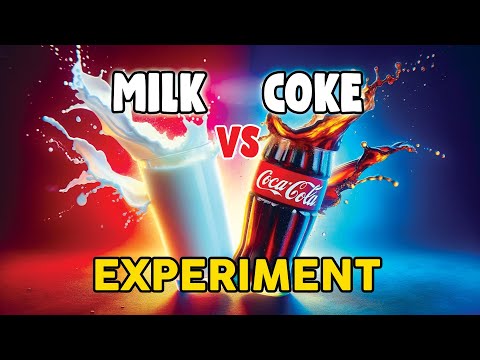
Mixing COKE and MILK | Coca Cola VS Milk Chemical Reaction Experiment thumbnail

Mixing COKE and MILK | Coca Cola VS Milk Chemical Reaction Experiment

2 years agoLong-tail
coke and milkscience experimentcoca cola and milkcoca cola and milk experimentcoca cola milkmixing coke milk
Published time
May 7, 2024 at 10:15 PM
Duration
3:45
Video type
Education
Channel region
United Kingdom
Publish Timing Insight
Not enough timing data
This channel still lacks enough historical upload timing data. Let the channel accumulate more snapshots before evaluating the best timing.
Monetization Insight
High RPM
This video sits in a relatively high RPM range, suggesting a more monetization-friendly topic.
Action Suggestion
Watch for sustained growth
The basic conditions are already in place. Keep watching 7-day views and revenue before deciding whether this topic should become a series.
Views
113.7K
Likes
80
Comments
8
Estimated Daily Revenue
-
Estimated Total Revenue
$109.12 - $636.54
RPM Range
$0.96 - $5.6
1D Views Gain
0
7D Views Gain
0
1D Likes Gain
0
7D Likes Gain
0
1D Comments Gain
0
7D Comments Gain
0
Velocity Score
0%
Topic Cluster
coke and milk
Video Description
Ever wondered what happens when you mix Coca Cola with milk? Join us in this fascinating science experiment as we explore the chemical reaction between Coke and milk! 🥤🥛 #ScienceExperiment #CokeAndMilk Watch the mixture go through a reaction that creates a bizarre and intriguing effect! Perfect for science enthusiasts and the curious-minded of all ages! Don’t miss out on the reaction! - 00:00 Introduction - 00:05 Testing how much milk we need - 02:27 The Mixing Begins - 03:01 24 hours later Science Behind The Coca-Cola has a special chemical in it called phosphoric acid. This acid reacts with the calcium that is naturally found in the milk. When the acid and calcium mix together, they create a new substance that looks like little white clumps or chunks. These white clumps are actually the milk proteins that have been changed by the acid in the Coca-Cola. The reaction causes the milk proteins to stick together and form this solid, precipitate material that sinks to the bottom of the glass. The two liquids that we started with have now turned into something completely different! The Coca-Cola and milk no longer look the same, and you can see the reaction happening right before your eyes. Isn't that cool? It just goes to show that when you mix certain things together, you can get some really surprising and interesting results! Let me know if you have any other questions about this Coca-Cola and milk experiment in the comments below. Remember, always explore science with safety first. Grab your safety goggles and let's get experimenting! ===================================================== ➜ TheDadLab on Facebook: https://www.facebook.com/thedadlab/ ➜ TheDadLab on Instagram: https://www.instagram.com/thedadlab/ ➜ TheDadLab on Twitter: https://twitter.com/thedadlab ➜ TheDadLab on Pinterest: https://pinterest.com/thedadlab/ ➜ Website: https://thedadlab.com/ ===================================================== Please subscribe to see more upcoming videos http://bit.ly/ThedadlabOnYoutube
Related Topics
Continue with closely related videos to judge topic depth and content format.
Topic: coke and milk
Not enough related-topic video data yet.
Video FAQs

These FAQs clarify what this video page measures, why revenue is estimated, and how to use the page for content research.

What can you learn from this video analytics page?

This page shows views, likes, comments, RPM and revenue estimates, publish timing, topic tags, related videos, and the broader channel context behind the video.


Why are RPM and revenue numbers estimates?

Actual earnings depend on monetized playbacks, audience geography, seasonality, advertiser demand, and monetization status. CloutOrbit provides directional estimates for benchmarking, not exact payouts.

How should you use this page for content research?

Compare timing, topic tags, monetization signals, and adjacent videos from the same channel to spot formats, themes, and publishing patterns worth testing.