Video Description
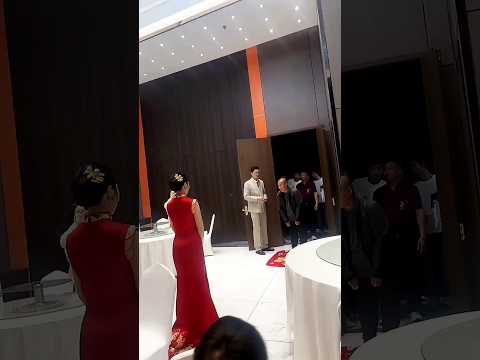
🇨🇳 当新娘站在门口并向每一位走进来的人鞠躬时,这是至高谦逊与好客的展现。
🇬🇧 When the bride stands at the entrance and bows to every person entering, it is a demonstration of supreme modesty and hospitality.
🇨🇳 宾客们也以鞠躬回礼的事实,表达了对其作为妻子和新女主人新身份的认可。
🇬🇧 The fact that the guests also return the bow shows recognition of her new status as a wife and mistress of the home.
🇨🇳 这一手势消除了距离感,并强调了婚礼上没有偶然出现的人——每一位在场者都是这段结合重要且受人尊敬的见证人。
🇬🇧 This gesture removes the sense of distance and emphasizes that there are no accidental people at the wedding—every person present is an important and honored witness to the union.
🇨🇳 逐一迎接宾客需要新娘极大的耐心与身体耐力。
🇬🇧 Welcoming the guests one by one requires immense patience and physical endurance on the part of the bride.
🇨🇳 她亲自感谢每一个人所表达的敬意,感谢他们抽出时间并一路奔波前来参加婚礼。
🇬🇧 She thanks each one personally for the respect of taking the time and traveling the distance to the wedding celebration.
🇨🇳 恰恰在门槛处就见证这种敬意与尊重,为整个节日庆典的和谐进行奠定了基础。
🇬🇧 Bearing witness to this tribute and respect right at the very threshold sets the beginning for the harmonious course of the entire holiday.
🇨🇳 这种仪式程序是儒家理解的鲜明范例,即每一次社会活动都必须拥有严谨而美丽的结构。
🇬🇧 This ceremonial order is a vivid example of the Confucian understanding that every social event must have a strict but beautiful structure.
🇨🇳 新娘身穿传统或喜庆的红色礼服,作为新家庭的面孔出现,而她在亲戚和朋友面前的行为树立了整个家族的声誉。
🇬🇧 The bride, dressed in a traditional or festive red gown, appears as the face of the new family, and her behavior before relatives and friends builds the reputation of the entire lineage.
🇨🇳「当你以鞠躬迎接客人时,你打开的不止是家门,而是你的心门。」 —— 东方智慧
🇬🇧 "When you welcome a guest with a bow, you open not just the door of the home, but the door of your heart." — Eastern Wisdom
🇨🇳 相似故事:
🇬🇧 Stories of Empathy and Connection:
🇨🇳 日本迎接客人的礼仪(Aisatsu)。在传统的日本庆典中,主人必须站在门口并向每一位抵达的宾客鞠躬,鞠躬的角度对应着该人的身份与年龄。宾客们则以同样的姿势回礼。这种通过身体进行的无声对话确保了活动将在相互尊重和完全平静的气氛中开始。
🇬🇧 The Japanese Etiquette of Welcoming Guests (Aisatsu). In traditional Japanese celebrations, the hosts must stand at the entrance and bow to every arriving guest, with the angle of the bow corresponding to the person's status and age. The guests return the same gesture. This silent dialogue through bodies ensures that the event will begin in an atmosphere of mutual respect and complete tranquility.
🇨🇳 欧洲礼宾规程中的皇家招待(Defile)。在欧洲的官方国家招待会或皇家婚礼上,存在着所谓的「迎接队列」(Receiving Line)。主人站在门槛处,向在他们面前走过的数百名宾客中的每一位握手或点头致意。这种个体接触是高级礼仪中必不可少的元素,表明没有哪位宾客是默默无闻的。
🇬🇧 The Royal Reception (Defile) in European Protocol. At official state receptions or royal weddings in Europe, there exists the so-called "Receiving Line." The hosts stand at the threshold and shake hands or nod their heads to each of the hundreds of guests who pass before them. This individual contact is an obligatory element of high etiquette, showing that no guest is anonymous.
🇨🇳 关于意志力的伟大历史故事:
🇬🇧 Great Historical Stories of Willpower:
🇨🇳 汉武帝时期对使者的接待。在古代中国,汉武帝引入了这样一条规则:在大规模的国家宴会上,任何人如果未能亲自接受宫廷总管或皇后本人的好客迎接,皆不得进入大殿。甚至外国藩属也都对统治者们抽时间向每位使者微微鞠躬的事实感到震惊,这避免了冲突并展示了文化力量超越武器力量的威严。
🇬🇧 The Reception of Envoys Under Emperor Han Wudi. In Ancient China, Emperor Han Wudi introduced the rule that during grand state festivities, no one could enter the hall without being personally greeted by the palace governor or by the empress herself as a sign of hospitality. Even foreign vassals were amazed by the fact that the rulers took the time to bow slightly to each envoy, which prevented conflicts and demonstrated the power of culture over the power of weapons.
🇨🇳 路易十四与玛丽·泰蕾莎的婚礼(1660年)。在法国太阳王的婚礼庆典上,规程要求这对新人必须在宫殿门口站立三个多小时,以便向进入大殿的每一位权贵和贵族亲自鞠躬并致意。国王相信,君主制的伟大恰恰建立在统治者向其臣民展示出克制且个体化之尊重能力的基础之上。
🇬🇧 The Wedding of Louis XIV and Maria Theresa (1660). During the wedding celebrations of the Sun King in France, the protocol required the newlyweds to spend over three hours at the entrance of the palace to bow and greet personally every dignitary and nobleman entering the hall. The King believed that the greatness of the monarchy rested precisely upon the ruler's ability to show measured and individual respect to his subjects.
#婚礼礼仪 #传统习惯 #相互尊重 #历史传承 #礼仪之邦
#WeddingEtiquette #TraditionalCustoms #MutualRespect #HistoricalHeritage #EtiquetteCountry