Video Description
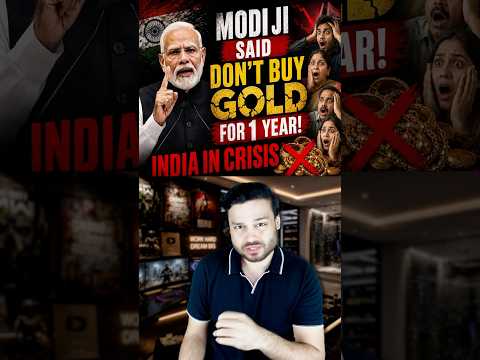
Prime Minister Narendra Modi recently made headlines after urging Indians to avoid buying gold for the next one year. Speaking during a public address in Telangana, Modi linked the appeal to the current global economic situation, especially the rise in crude oil prices and instability in West Asia. He said India needs to act carefully to protect its economy and foreign exchange reserves during a difficult international period.
According to reports, Modi asked citizens to temporarily reduce non-essential imports and luxury spending that put pressure on India’s dollar reserves. Since India imports large quantities of both crude oil and gold, higher international prices increase the country’s import bill. Modi argued that if citizens voluntarily postpone gold purchases, it could help reduce pressure on the rupee and improve economic stability. Along with the gold appeal, he also encouraged people to save fuel, use public transport, prefer work-from-home where possible, and support locally made products.
The statement quickly triggered strong reactions across financial markets and political circles. India is one of the world’s biggest consumers of gold, and gold buying is deeply connected with weddings, festivals, and household savings. After the remarks, jewellery company stocks reportedly declined because investors feared weaker demand if consumers followed the advice. Economists and market analysts debated whether the appeal was symbolic nationalism or a sign that the government is worried about rising import costs and global uncertainty.
Opposition leaders criticized the comments, saying ordinary citizens are already facing inflation and high living costs. Some argued that asking people not to buy gold reflects economic stress rather than confidence. Supporters of Modi, however, defended the appeal as a patriotic step similar to earlier national campaigns encouraging reduced imports and greater economic self-reliance.
The issue has become one of the biggest economic discussions in India this week because gold is not only a cultural asset but also a major part of household investment habits. Analysts say the actual impact will depend on whether the government introduces policy measures later, such as changes in import duties or restrictions on gold imports. For now, the appeal remains voluntary, but it has already sparked widespread debate about India’s economy, consumer spending, and the country’s dependence on imports.
Subscribe to FactTechz