Learn Bright banner
Learn Bright avatar
Learn Bright
@learnbright
Subscribers929K
Views276.1M
Videos972
Learn BrightPublished at March 24, 2026 at 11:00 PM4:48
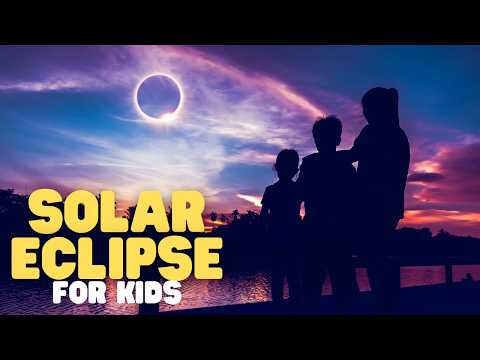
Solar Eclipse for Kids | Learn why the sun sometimes darkens thumbnail

Solar Eclipse for Kids | Learn why the sun sometimes darkens

2 months agoLong-tail
solar eclipse for kidssolar eclipselunar eclipse vs. solar eclipsewhat is a solar eclipsewhat causes solar eclipsesolar eclipse kids
Published time
March 24, 2026 at 11:00 PM
Duration
4:48
Video type
Education
Channel region
United States
Publish Timing Insight
Not enough timing data
This channel still lacks enough historical upload timing data. Let the channel accumulate more snapshots before evaluating the best timing.
Monetization Insight
High RPM
This video sits in a relatively high RPM range, suggesting a more monetization-friendly topic.
Action Suggestion
Watch for sustained growth
The basic conditions are already in place. Keep watching 7-day views and revenue before deciding whether this topic should become a series.
Views
6K
Likes
40
Comments
0
Estimated Daily Revenue
-
Estimated Total Revenue
$6.9 - $40.34
RPM Range
$1.15 - $6.72
1D Views Gain
0
7D Views Gain
0
1D Likes Gain
0
7D Likes Gain
0
1D Comments Gain
0
7D Comments Gain
0
Velocity Score
0%
Topic Cluster
solar eclipse for kids
Video Description
Have you ever seen an eclipse before? Eclipses happen when one celestial body moves into the shadow of another. And there are two types of eclipses that can be observed from Earth: solar eclipses and lunar eclipses. Let’s learn more about them together in this educational video for kids!   An eclipse requires three objects to be in alignment with each other. This is called sy+zy+gy. There are two ways an eclipse can happen. The first is when one object goes in front of the other. The second is when one object casts a shadow over the other. Remember how there are two types of eclipses that we can see from Earth?   We will talk about each one and use an example as we go!   We hope you and your student(s) enjoyed learning about eclipses! If you want even more information, head over to our website and download one of our many free lesson plans, full of activities, worksheets, and more!   https://learnbright.org/lessons/science/eclipses-stem/ https://learnbright.org/lessons/science/eclipses/   Thank you for watching and learning with us! We’re constantly releasing new content and videos so click that “Subscribe” button and you’ll notified.   Find and Follow Us Online: Facebook: https://www.facebook.com/LearnBright/ Instagram: https://instagram.com/LearnBrightEducation Pinterest: https://pinterest.com/LearnBrightEducation YouTube: https://www.youtube.com/LearnBright Website: https://learnbright.org/   *Teachers and Parents! Did you know? In addition to these great videos, we have also created a library of high quality and engaging lessons for your elementary aged student(s). Visit us, sign up for a free account, and instantly you'll have access to thousands of lesson plans, learning materials, teaching instructions, activities, and assignments that your kids will really enjoy! We hope to see you soon!   Browse our entire collection of Science lesson plans: https://learnbright.org/lessons/?filter_subject=science   #solar eclipse #eclipses
Related Topics
Continue with closely related videos to judge topic depth and content format.
Topic: solar eclipse for kids
Not enough related-topic video data yet.
Video FAQs

These FAQs clarify what this video page measures, why revenue is estimated, and how to use the page for content research.

What can you learn from this video analytics page?

This page shows views, likes, comments, RPM and revenue estimates, publish timing, topic tags, related videos, and the broader channel context behind the video.

Why are RPM and revenue numbers estimates?

Actual earnings depend on monetized playbacks, audience geography, seasonality, advertiser demand, and monetization status. CloutOrbit provides directional estimates for benchmarking, not exact payouts.

How should you use this page for content research?

Compare timing, topic tags, monetization signals, and adjacent videos from the same channel to spot formats, themes, and publishing patterns worth testing.