La Fisica Che Ci Piace banner
La Fisica Che Ci Piace avatar
La Fisica Che Ci Piace
@lafisicachecipiace
Subscribers897K
Views235.3M
Videos1.5K
La Fisica Che Ci PiacePublished at May 20, 2026 at 10:30 PM6:51
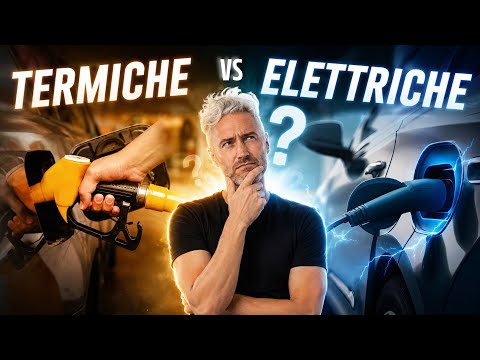
SCATENATEVI - siete PRO o CONTRO l’auto elettrica? thumbnail

SCATENATEVI - siete PRO o CONTRO l’auto elettrica?

24 days agoLong-tail
scatenatevisieteprocontroautoscatenatevi siete pro
Published time
May 20, 2026 at 10:30 PM
Duration
6:51
Video type
Science & Technology
Channel region
Italy
Publish Timing Insight
Not enough timing data
This channel still lacks enough historical upload timing data. Let the channel accumulate more snapshots before evaluating the best timing.
Monetization Insight
No clear monetization tags yet
Focus on view growth, engagement quality, and topic competition to judge monetization potential.
Action Suggestion
Watch for sustained growth
The basic conditions are already in place. Keep watching 7-day views and revenue before deciding whether this topic should become a series.
Views
13.6K
Likes
726
Comments
482
Estimated Daily Revenue
$0.02 - $0.14
Estimated Total Revenue
$8.15 - $47.53
RPM Range
$0.6 - $3.5
1D Views Gain
0
7D Views Gain
0
1D Likes Gain
0
7D Likes Gain
0
1D Comments Gain
0
7D Comments Gain
0
Velocity Score
0%
Topic Cluster
scatenatevi
Video Description
Io sono passato all’auto elettrica da poco e leggo in rete un dibattito giustamente acceso intorno all’elettrico. Allora in questo video breve partiamo dalla fisica dei due motori e dell’energia che li alimenta e poi, dato che in molti si stanno chiedendo se convenga l’auto elettrica o no, facciamo un confronto numerico tra acquisto auto, bollo, manutenzione e rifornimento. Vediamo la fisica dei due motori - Nel motore termico si parte dall’energia chimica del carburante — benzina o diesel che viene bruciato: questa reazione chimica, chiamata combustione, libera energia sotto forma di calore. I gas all’interno del motore si scaldano, si espandono e spingono i pistoni… ed è così che si ottiene energia cinetica, l’auto si muove! - Nel motore elettrico la batteria ci da energia elettrica che si trasforma in energia meccanica sfruttando le leggi dell'elettromagnetismo. Cioè le interazioni di correnti e magneti all'interno del motore diventano assi che girano, ruote che si muovono, energia cinetica! Vediamo la fisica dell’energia Il termico ha un’efficienza complessiva 15-30% *sì perché il restante 70% e passa si perde* ; l’elettrico del 75-85% E che vuol dire? Noi con l’elettrico, siamo abituati a ragionare in kilowattora, che è un’unità di misura dell’energia allora facciamo questo paragone. In Italia 1 kWh di benzina costa circa 20 centesimi, e 1 kWh di elettricità circa 25 centesimi. Quindi il vantaggio dell’elettrico non è che l’energia costa meno, semplicemente con quel kilowattora fai molta più strada. Andiamo ora al confronto in 4 punti: acquisto auto, bollo, manutenzione e rifornimento.
Related Topics
Continue with closely related videos to judge topic depth and content format.
Topic: scatenatevi
Not enough related-topic video data yet.
Video FAQs

These FAQs clarify what this video page measures, why revenue is estimated, and how to use the page for content research.

What can you learn from this video analytics page?

This page shows views, likes, comments, RPM and revenue estimates, publish timing, topic tags, related videos, and the broader channel context behind the video.


Why are RPM and revenue numbers estimates?

Actual earnings depend on monetized playbacks, audience geography, seasonality, advertiser demand, and monetization status. CloutOrbit provides directional estimates for benchmarking, not exact payouts.

How should you use this page for content research?

Compare timing, topic tags, monetization signals, and adjacent videos from the same channel to spot formats, themes, and publishing patterns worth testing.