Video Description
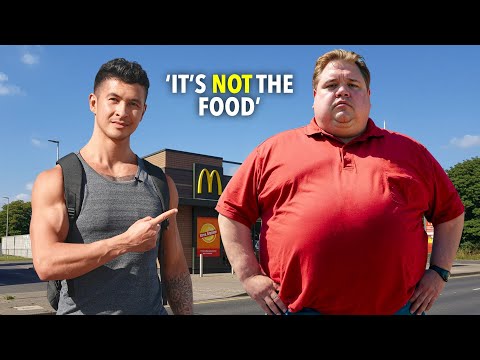
Today, I’m in the most obese city in America: McAllen, Texas. Almost half the population here is classified as obese, which has led to a crisis of health problems across the community. So, over the next 3 days, I’ve decided to get to know the people of McAllen — even if I have to knock on every door — to find out what’s really causing this obesity epidemic. I also want to see if I can find a science-backed fat loss solution that could make a real and lasting difference for the health problem the people face here.
Click below to try my fitness app for free for 2 weeks, no strings attached:
https://bws.plus/td8
HUGE shoutout to Fork to Fit for helping cater the event:
https://www.instagram.com/forktofitkitchen
After talking to the residents in the most obese city in America, one thing became clear: most people blamed the food. So I decided to check it out for myself. It didn’t take long to understand what they meant. Each meal looked like a generous helping of food, but I was surprised by how long I could keep eating. The reason? The food is highly processed and low in fiber, so I could eat a ton before feeling full. Worse still, these foods hijack your brain’s reward system, delivering a rush of pleasure that fades quickly — keeping you coming back for more. On top of that, the massive portions trick your brain into thinking you haven’t eaten that much.
I brought in Kelly, our head dietitian at Built With Science, who’s helped thousands of clients make lasting dietary changes. We also partnered with a local business called Fork to Fit, which creates calorie-friendly meals to combat the overwhelming fast food culture and health problem in McAllen. Together, we planned to host a free community workshop, offering a healthy dinner, take-home meals, and a bag of BWS protein powder. But getting people to show up? That was harder than expected. Even Kelly had a tough time recruiting people at the mall. After half a day handing out flyers, we finally got over 20 people committed to attending.
The longer I stayed in McAllen, the more I realized: the food is only part of the obesity problem. McAllen is a drive-only city, covered in 4-lane roads, with sidewalks that end abruptly and crosswalk buttons that often don’t work. Walking isn’t a realistic option, and public transport is nearly nonexistent — buses come only once an hour. This means most people are only getting a few thousand steps a day. Not only does this lead to fewer calories burned, but being sedentary can mess with your food choices. When you’re not moving, your brain starts seeing food as pleasure, not fuel — making overeating even more likely. Worst of all, this kind of inactivity is directly linked to higher risks of disease and death. While the community blames food, it became clear to me that the city itself is part of the problem.
To dig deeper, I knocked on doors and offered to cook people a healthy dinner. Unfortunately, I got no bites — literally. Eventually, I met Santos and Samantha, who welcomed me in and opened up about their situation. They were never taught proper nutrition, their neighborhood has ~10 restaurants for every 1 gym, and local grocery stores don’t really sell fresh produce.
The next day, Kelly and I went grocery shopping with a goal: create a healthy, affordable meal that supports fat loss. We settled on chicken fajitas. To stay within budget, we bought in bulk, looked for sales, and used canned/frozen veggies — which are not only cheaper, but often more nutritious than fresh ones. We got the cost down to $5 per person, and each fajita had just ~100 calories (compared to the 300-calorie versions from restaurants). They could eat three fajitas and still stay within a healthy calorie range. I even added a secret weapon: the seasoning from a delicious quesadilla I had on Day One. The owners were kind enough to share their spice blend to give our chicken some authentic Mexican flavor. To help Santos and Samantha continue this journey, we gave them access to the new BuiltWithScience+ app, with a meal scanner, at-home workouts, and custom nutrition plans. This could be a real new beginning for them.
On the day of the workshop, we prepped 40 bags of protein and over 120 meals... but with 15 minutes until showtime, no one had arrived.I started to wonder: Was all this for nothing? But instead of giving up, I took to the streets one last time to invite people in, hoping we could make even a small difference. This experience taught me that obesity is far more complex than most people realize. It’s not just about personal choice — it’s about environment, education, access, and support. But what makes me hopeful are people like Santos and Samantha, and the countless others in McAllen who want to make a change, even in the face of massive obstacles. If even one obese person walks away from this with a better understanding of what’s really going on — or takes that first step toward change — then this trip was worth it.