视频说明
In 1986, the Chernobyl nuclear accident devastated the Soviet Union and shocked the world. But, 40 years on, are we now seeing a nuclear renaissance and what does that mean for the climate?
Click here to subscribe to our channel ?? https://bbc.in/3VyyriM
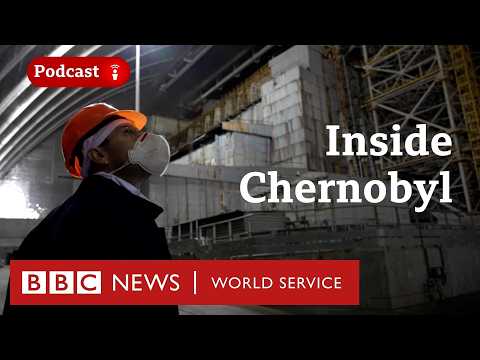
Climate Question host Jordan Dunbar has just visited the most contaminated place in the world for a BBC World Service documentary. He tells co-host Graihagh Jackson about the ghostly atmosphere in the former Chernobyl control room and the huge dome that now covers the remains of the nuclear reactor that exploded.
Jordan and Graihagh also discuss how the disaster set back the nuclear power industry for decades. Now, however, nuclear is firmly back on the international agenda because of rising power demand and concerns about energy security.
With around 40 countries now aiming to build more nuclear power stations, what will this mean for the climate and the world’s goal of keeping global warming under control?
00:00 Introduction
01:00 What’s it like visiting Chernobyl?
03:00 Getting tested for radiation
04:45 The most radioactive place on earth
07:12 What caused the Chernobyl disaster?
10:50 How many people died?
12:20 The impact on the nuclear power industry
14:19 Why nuclear power is making a comeback
18:20 The carbon footprint of nuclear
23:25 Can nuclear power help us meet our climate goals?
?️ Watch the #BBCAfricaEye documentary, 'Abandoned: Searching for Soldier Dad' here: https://youtu.be/6AVzvzRmZCg or here if you are watching from the UK: https://bbc.in/4euNw07
----------------
This is the official BBC World Service YouTube channel.
If you like what we do, you can also find us here:
Instagram ?? https://www.instagram.com/bbcworldservice
Twitter ?? https://twitter.com/bbcworldservice
Facebook ?? https://facebook.com/bbcworldservice
BBC World Service website ?? https://www.bbc.co.uk/worldserviceradio
Thanks for watching and subscribing!
#BBCWorldService #WorldService #chernobyl #nuclearpower