视频说明
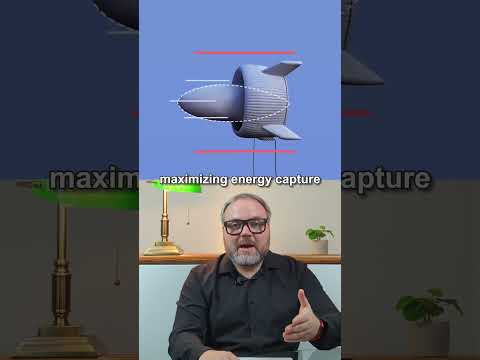
China launched the S2000, a helium aerostat designed to generate electricity from high-altitude winds 2,000 meters above Sichuan. The system combines 1,200 kW turbines, an aerofoil structure, and a ground tether that transmits power back to the grid.
The core idea is simple: wind speeds increase and become more stable far above ground level, where surface friction no longer slows airflow. Because wind power rises with the cube of wind speed, the much faster winds at altitude can unlock dramatically higher energy output than conventional low-height turbines.
The S2000 test flight produced 385 kilowatt-hours, enough to charge about 30 EVs or power a household for a month. If China can prove long-term stability, safety, and economic viability, airborne wind systems could open a new category in renewable energy with far higher efficiency than traditional towers.
#China #S2000 #FlyingPowerStation #AirborneWindEnergy #HighAltitudeWind #HeliumAerostat #Sichuan #WindTurbines #RenewableEnergy #CleanEnergy #EVCharging #PowerGeneration #EnergyInnovation #AerofoilDesign #AirbornePowerSystem