视频说明
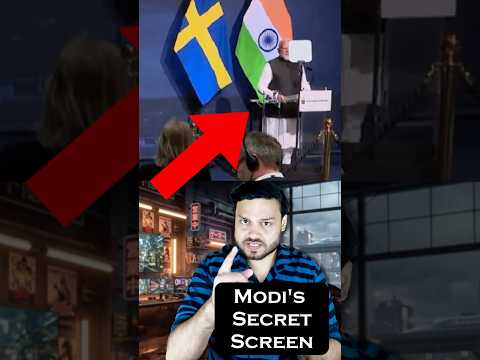
A fresh round of discussion about Narendra Modi has erupted after videos from his recent Europe and Norway visit showed him appearing to read from teleprompter screens during official speeches and press statements. Social media users began sharing clips zooming in on the glass teleprompter panels placed near the podium during his speeches at diplomatic events and business summits. While teleprompters are completely normal for world leaders, the videos triggered a broader internet debate in India about who actually prepares and writes the prime minister’s speeches.
The discussion became bigger after the Norway controversy involving a journalist asking Modi why he does not take open media questions. Following that viral moment, many online commentators started contrasting carefully scripted speeches with unscripted press conferences. Critics argued that teleprompter-assisted speeches allow leaders to maintain strict message control, while open questioning can create unpredictable situations. Supporters responded that almost every major global leader uses teleprompters during international addresses, especially at diplomatic and economic events involving prepared policy statements.
As memes and debates spread online, many Indians again began asking a question that has circulated for years: “Who writes Modi’s speeches?” The topic resurfaced because people noticed how polished, structured, and highly thematic many of his international speeches appear. This led users on X, Reddit, YouTube, and Instagram to revisit an older India Today RTI investigation that had asked the Prime Minister’s Office exactly this question several years ago.
According to the RTI response reported by India Today, the PMO gave what many people described as a vague and carefully worded answer. The office reportedly stated that “various individuals, officials, departments, entities and organisations” provide inputs depending on the event, but that the speeches are ultimately “given final shape by the PM himself.” However, the RTI reply did not reveal specific names, team structures, or the amount of public money spent on speech preparation. This ambiguity is exactly why the topic has returned during the recent teleprompter debate.
The internet reaction has been a mixture of humor, political criticism, and genuine curiosity. Meme creators joked that teleprompters are now “the most important diplomats in India’s foreign policy,” while others humorously pretended there must be “secret Bollywood-level scriptwriters” behind major speeches. Some users defended Modi strongly, pointing out that international summits require carefully drafted language because diplomatic wording can affect trade, geopolitics, and security relations. Others argued that speechwriting teams are standard practice for presidents and prime ministers around the world and that the controversy is being exaggerated online.
In the end, the teleprompter clips themselves were not unusual in diplomatic terms, but they reopened an older public curiosity about political image management, speechwriting machinery, and how modern leaders communicate in carefully controlled public settings. The viral discussion shows how even ordinary elements of political events — like a teleprompter screen beside a podium — can become symbols in larger debates about transparency, authenticity, and media engagement in today’s internet-driven political culture.
Subscribe to FactTechz