视频说明
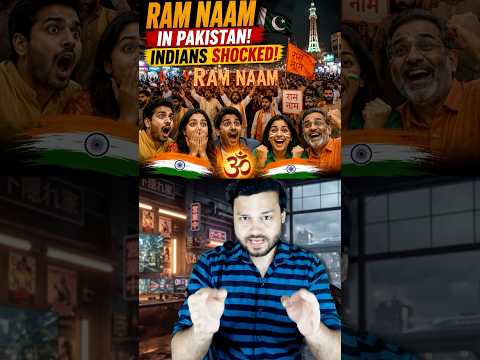
Pakistan has recently attracted major attention after authorities in Lahore began restoring several pre-Partition Hindu, Sikh, Jain, and colonial-era names that had been changed after 1947. The move is part of a broader heritage revival project launched by the Punjab government in Pakistan under the “Lahore Heritage Area Revival” initiative. Officials say the goal is to reconnect Lahore with its multicultural past and preserve the city’s historical identity.
Among the most talked-about changes is the renaming of Islampura back to Krishan Nagar, while Rehman Gali has reverted to Ram Gali and Babri Masjid Chowk is again being referred to as Jain Mandir Chowk. Other restored names include Lakshmi Chowk, Dharampura, Sant Nagar, Queen’s Road, Lawrence Road, and Temple Street. In many places, signboards with the old names have already been installed.
The initiative is politically significant because, for decades after Partition, many Hindu- and Sikh-associated names in Pakistan were replaced with Islamic or nationalist names as part of broader Islamisation policies. The recent reversals therefore represent a symbolic shift toward acknowledging Lahore’s pre-1947 cultural diversity. Analysts say the move is unusual because it openly recognizes the city’s Hindu and Sikh heritage at a time when such subjects are often politically sensitive in Pakistan.
According to reports, the restoration project is being backed by former Prime Minister Nawaz Sharif and Punjab Chief Minister Maryam Nawaz. The government argues that preserving old names can improve cultural tourism and help Lahore market itself as a historic South Asian city with layered civilizational roots, similar to heritage preservation efforts seen in European cities.
Historians note that Lahore before Partition was a deeply multicultural city where Hindus, Muslims, Sikhs, and Jains lived together and contributed to its architecture, markets, education system, and culture. By restoring names like Krishan Nagar and Lakshmi Chowk, Pakistan appears to be acknowledging that historical reality more openly than before.
Subscribe to FactTechz