视频说明
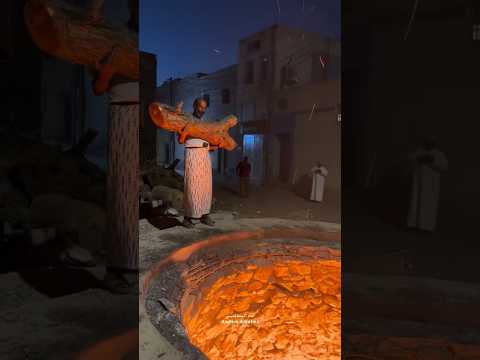
فعالية التنور في العيد من أروع العادات العمانية، إذ يعد التنور الضخم قلب الاحتفال في كل قرية. يتم تجهيز اللحم بعد تتبيله بعناية، ثم تغليفه بورق الموز ليحافظ على نكهته ويعزّز طراوته. توضع قطع اللحم داخل سلال من سعف النخيل، وهي سمة تراثية تعبّر عن جمال البيئة المحلية. قبل إغلاق الشبكة المعدنية على السلة، يقوم كل فرد بوضع علامة مميزة على سلعته، لضمان عدم اختلاطها بغيرها وسط الزحام. ثم تبدأ اللحظة المرتقبة، حيث تُرمى مئات السلال داخل التنور دفعة واحدة، فتعمل الحرارة المتراكمة على شواء كميات كبيرة في وقت واحد. بعد ذلك تُغلق فتحة التنور بصفائح معدنية محكمة، ثم تُغطى بكمية من الطين لمنع تسرب الحرارة وحبس البخار، بما يضمن وصول الحرارة إلى جميع أجزاء اللحم. وبعد نحو 24 ساعة، يتم فتح التنور وإخراج اللحم المشوي. هكذا يجتمع أهل القرية على طعام طيب، وتجتمع معه قيمة العمل الجماعي والفرح المشترك، وتراث يروى جيلاً بعد جيل.
In Omani Eid celebrations, the “tanour” (traditional clay oven) is often the favorite part among people. In every village, a huge tanour becomes the center of community life. After the meat is carefully seasoned with local spices, it is wrapped in banana leaves to keep flavor sealed and to enhance tenderness. The wrapped meat is placed inside baskets made from palm fronds, a natural and traditional material that reflects the surrounding environment. Before the metal mesh covering is tied, each person adds a unique mark on their basket so nothing gets mixed up when hundreds of baskets are introduced at once. Then comes the dramatic moment: many baskets are thrown into the tanour together, allowing the heat to roast large quantities efficiently. After that, the oven opening is sealed tightly with metal plates. To prevent heat from escaping, the plates are covered with clay, which helps retain temperature and trap steam during the cooking process. After about 24 hours, the tanour is opened and the roasted meat is taken out. This is not only about enjoying delicious grilled meat, but also about the shared preparation ritual, teamwork, heritage, and festive joy that the whole community experiences together.