影片說明
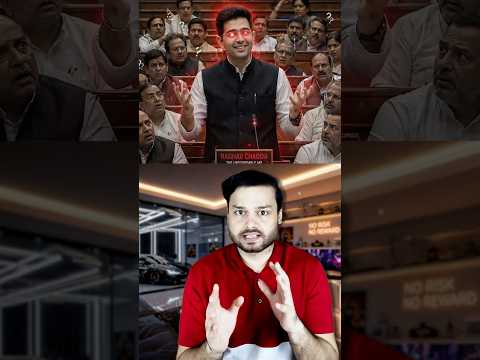
The recent buzz around Raghav Chadha has been driven by two parallel things: a major political development and a wave of viral memes. The actual news is that he reportedly left the Aam Aadmi Party (AAP) and joined the Bharatiya Janata Party (BJP), which came as a surprise to many people. This is because he was earlier known for being a strong critic of the BJP, and his past speeches attacking the party have now resurfaced online.
Because of this sharp contrast between his past statements and his recent move, social media quickly picked it up. Old videos, interviews, and debates started circulating again, and people began reacting strongly. Some saw it as a strategic or practical political decision, while others viewed it as a contradiction or opportunistic shift. This kind of situation often becomes a perfect trigger for online humor and meme culture.
That’s where the so-called “spy theory” memes come in. Many users jokingly claimed that he was “always a BJP spy inside AAP” or that his switch was part of some long-term hidden plan. However, it’s important to understand that this idea is purely fictional and meant for humor. There is no credible evidence or real report suggesting anything like that—it’s simply exaggerated storytelling for entertainment.
This type of meme trend is actually quite common in politics. Whenever a well-known leader suddenly changes parties, especially after criticizing the same party earlier, the internet often responds with satire. People create dramatic or funny narratives—like calling someone a “double agent”—to highlight the irony in a way that’s easy to share and laugh about.
In the end, the real story is about a significant political shift, while the “spy theory” is just a reflection of how social media reacts. It shows how quickly serious political events can turn into viral, humorous content, blending public opinion, criticism, and entertainment into one ongoing online conversation.
Subscribe for more educational content and unlock knowledge every day with FactTechz!