影片說明
In India, there is a recent political irony that many people are discussing online.
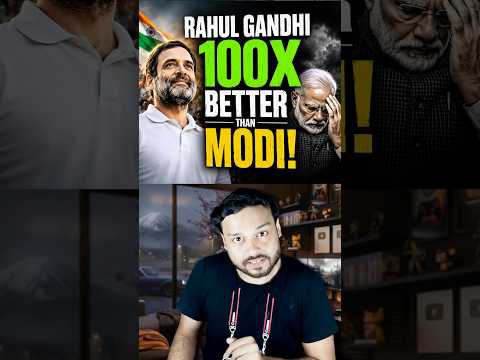
First, Rahul Gandhi recently generated controversy after saying that the Indian economy was effectively "dead" and accusing the Modi government of having damaged economic growth, employment, MSMEs, and manufacturing. His remarks came while reacting to comments by then-US President Donald Trump and were widely reported across Indian media. Rahul argued that ordinary people and businesses were struggling despite official growth narratives.
At the same time, people began circulating details from Rahul Gandhi's election affidavit and asset disclosures. Those filings showed that he holds significant investments in Indian equities and mutual funds. Critics pointed out what they saw as a contradiction: if the Indian economy is truly "dead," why would he continue to keep a substantial portion of his wealth invested in Indian markets? Supporters of Rahul Gandhi respond that criticizing government economic policy is not the same thing as believing every Indian company or the entire stock market has no future.
On the other side of the comparison is Narendra Modi. Discussions online have highlighted that Modi's election affidavits have generally shown a very conservative personal financial profile, with bank deposits, savings instruments, and limited personal assets, while not showing major direct holdings in listed equities. Critics and supporters interpret this differently. Supporters argue that because government decisions can significantly influence markets, it is appropriate that the Prime Minister avoids direct stock-market exposure to prevent potential conflicts of interest.
What makes the story resonate with many Indians is that it touches a deeper frustration with politics itself. Citizens often see politicians attacking each other over economics while simultaneously participating in the same economic system they criticize. One side says, "If the economy is failing, why are you invested in it?" The other side says, "Being invested in India does not mean the government is managing the economy well." Both arguments find audiences because they appeal to different understandings of how economic criticism works.
Subscribe to FactTechz