影片說明
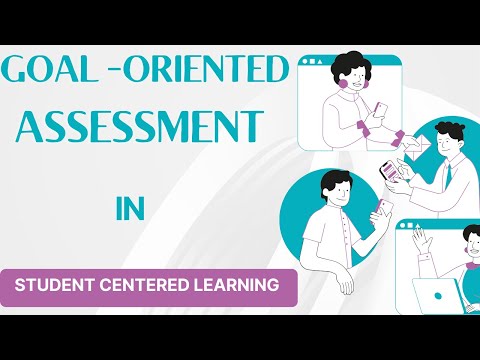
Education is changing, and at the heart of this transformation lies a shift from rigid, one-size-fits-all testing toward meaningful, personalized assessment. In this video, we dive into the world of goal-oriented assessments in student-centered learning, exploring how they move education beyond numbers, rankings, and standardized scores, toward experiences that actually empower learners to grow, reflect, and achieve their fullest potential.
Traditional assessments have often been designed to sort, rank, and compare students. While grades and standardized tests have their place, they frequently fail to capture the real learning journey or the skills students need in today’s rapidly evolving world. Goal-oriented assessments, however, flip the script. They ask: What do students need to learn? What goals are they working toward? How can teachers design assessment as a tool for growth rather than judgment? This is the essence of student-centered learning—placing learners at the core, valuing their agency, and giving them ownership of their progress.
In this video, we highlight why goal-oriented assessments are powerful tools that bridge the gap between teaching and meaningful learning. By focusing on clear learning objectives and personalized outcomes, they shift assessments from being endpoints to becoming milestones. Instead of treating tests as final verdicts, they turn them into checkpoints where students reflect on their progress, refine their skills, and connect classroom learning to real-world application.
One of the most important aspects of goal-oriented assessments is their alignment with student-centered approaches. Student-centered learning recognizes that every learner is unique, with distinct strengths, interests, and challenges. Assessments in this model are not about fitting students into the same mold, but about supporting their personal growth. For example, a student passionate about environmental science might design a project on renewable energy solutions, while another who thrives in creative fields might demonstrate their understanding through multimedia presentations. Both are assessed not by comparing them against one another, but by measuring how effectively they met their learning goals.
This personalized approach encourages deep engagement. When students know the purpose of what they are learning and how it connects to their aspirations, they are more motivated to take ownership of their journey. They begin to see assessment not as something done to them, but as something done for them. The teacher’s role evolves from judge to coach, guiding students in setting meaningful goals, monitoring progress, and providing actionable feedback. In this way, assessment becomes an ongoing dialogue rather than a one-time event.
The benefits of goal-oriented assessments extend beyond academics. They nurture critical life skills such as self-reflection, time management, resilience, and problem-solving. Students learn to set realistic objectives, track their growth, and adapt when challenges arise. This mirrors the demands of the real world, where success depends less on memorization and more on the ability to apply knowledge, collaborate, and continuously improve. For educators, this approach creates richer opportunities to connect with learners, understand their individual needs, and design instruction that truly makes a difference.
Another dimension of goal-oriented assessment is its emphasis on formative practices. Instead of waiting until the end of a unit or semester to evaluate understanding, teachers and students continuously check progress along the way. Feedback loops become central. A student writing an essay receives feedback on their first draft, reflects on it, and makes improvements. A science project might go through several iterations, with feedback at every stage. This process mirrors authentic learning, where growth happens through revision, reflection, and persistence.
Technology plays a key role in enhancing this approach. Digital platforms, portfolios, and assessment tools make it easier to set goals, monitor progress, and provide feedback in real time. Students can track their achievements visually, parents can stay informed about their child’s journey, and teachers can quickly identify where extra support is needed. These tools make learning transparent and collaborative, ensuring no student feels lost in the process.
In the video, we also explore examples of how schools and classrooms around the world are reimagining assessments. From project-based learning to competency-based models, we showcase innovative practices that illustrate the shift toward student-centered, goal-oriented education. These examples highlight how assessments can empower learners to pursue their passions while still meeting curriculum standards and preparing for higher education or careers.
@latesttrendsineducation