影片說明
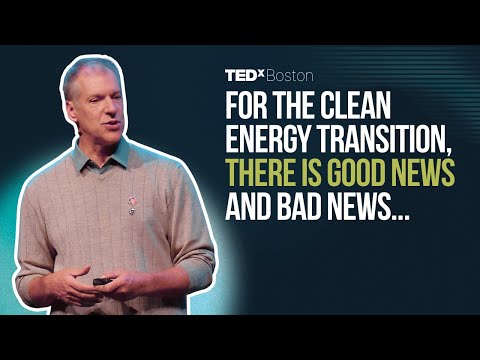
The clean energy transition has already crossed a market tipping point. Wind and solar are now the cheapest forms of new electricity generation ever produced. Electric cars outperform gas cars on almost every measure. Heat pumps beat gas furnaces on efficiency. This is happening because markets drove costs down, not because policy mandated it. The harder problem is distribution. The richest fraction of humanity has driven most of the damage, and the communities most exposed to energy poverty, fossil fuel pollution, and climate disruption are the least likely to benefit from the transition without deliberate intervention. Fixing that requires treating energy access as a justice issue, not just a technology problem. Dan Kammen is the Bloomberg Distinguished Professor of Energy and Climate Justice at Johns Hopkins University, and a co-recipient of the 2007 Nobel Peace Prize as part of the Intergovernmental Panel on Climate Change. He previously served as the Class of 1935 Distinguished Professor of Energy at UC Berkeley, where he founded the Renewable and Appropriate Energy Laboratory. He has served as Science Envoy for the US State Department, Chief Technical Specialist for Renewable Energy and Energy Efficiency at the World Bank, and an advisor to three US presidents. He has published more than 300 peer-reviewed papers, and he is a leading voice on energy justice, mini-grids in sub-Saharan Africa, and the intersection of clean energy access and climate policy. This talk was given at a TEDx event using the TED conference format but independently organized by a local community. Learn more at https://www.ted.com/tedx