影片說明
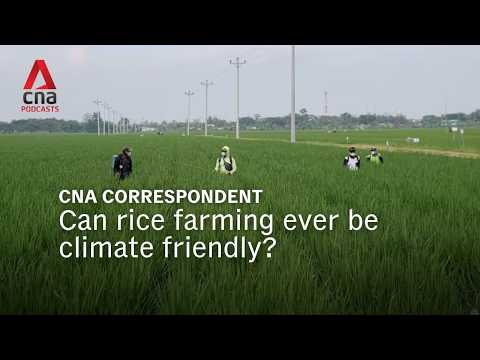
Traditional rice farming is a major climate problem. Flooded paddy fields release methane, a greenhouse gas 27 times more potent than carbon dioxide. But a Singapore-led project in Indonesia is testing a new way forward. By changing the way rice is planted and grown, researchers say emissions can be cut by up to half, without hurting farmers’ incomes.
Arnold Gay speaks to CNA Senior Correspondent Saifulbahri Ismail about the science behind low-methane rice, the challenges of changing long-held farming practices and if consumers will go for a more climate-friendly grain.
Highlights:
00:49 Why is rice production such a stubborn climate problem?
04:31 Impressions of the trial site rice field in Grobogan, Indonesia
06:53 How to cut emissions while growing better crops
10:53 Getting farmers on board was a challenge
14:05 Benefits of the new agricultural method
15:09 Will farmers go back to traditional rice farming?
16:40 Plans to scale up adoption across Asia
20:21 Can this be done in other parts of Asia?
Subscribe to our channel here: https://cna.asia/youtubesub
Visit our website: https://cna.asia
Download our app: https://cna.asia/app
Get our editors' picks of stories via chat apps:
Telegram: https://cna.asia/telegram
WhatsApp: https://cna.asia/whatsapp
Follow us on these platforms:
https://www.facebook.com/channelnewsasia
https://www.instagram.com/channelnewsasia
https://www.tiktok.com/@channelnewsasia