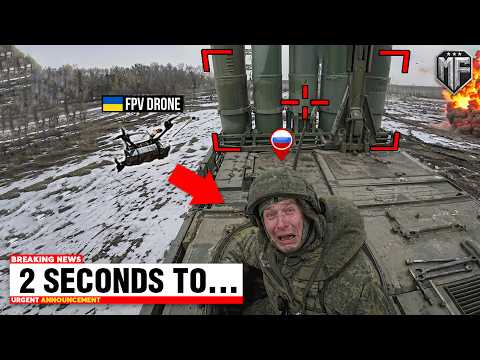
When Russian armed forces tried to save weapons from Ukrainian FPV drones near Pokrovsk, the danger extended far beyond the first strike itself. A small movement near a forest road—soldiers stepping out of cover, a vehicle arriving later, a delivery point becoming active—could all become links in a growing chain once a Ukrainian UAV detected them from above. After the first FPV strike, the battlefield did not reset. Instead, the initial target risked exposing supply routes, ammunition points, and even the defensive systems brought in to protect the area. Radar and air defense units attempting to respond could themselves generate signals that reveal deeper layers of the network behind the front. The deeper significance is that modern drone warfare no longer focuses only on destroying one target, but on using that first detection to unravel the structure supporting an entire sector.
⬇️ Check out other military analysis here:
🥇 Military News: https://www.youtube.com/watch?v=OoCXQVnZKNU&list=PL-Va3b7ZFBhaY-xSSss_Cp2dpMnWvoIBs
🥈 Ukraine News: https://www.youtube.com/watch?v=OoCXQVnZKNU&list=PL-Va3b7ZFBhbSLfeDFXO0R2jpQ_swKy_W
🥉 U.S. Navy News: https://www.youtube.com/watch?v=Q41g8Aip9SY&list=PL-Va3b7ZFBhYdfxEwCxXvQbonGtK1qGd0
Contact:
[email protected]
#military #ukrainewar #ukrainerussiawar