影片說明
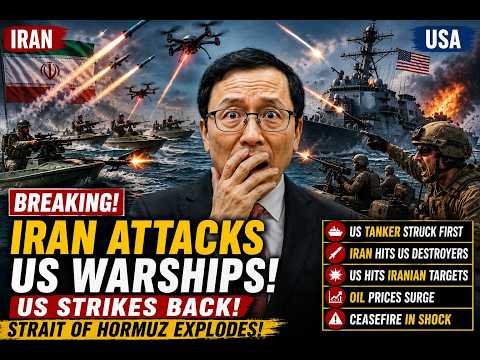
Oil prices are rising again as the United States and Iran exchange fire in the Strait of Hormuz despite claims that the ceasefire is still “in effect.” The market reaction so far has been surprisingly calm, with only a modest pullback in the S&P 500 and a moderate rise in oil prices — but investors should not underestimate how fragile this situation really is.
The Strait of Hormuz remains one of the world’s most critical energy chokepoints. Any escalation, tanker disruption, missile strike, or prolonged shipping blockade could rapidly push oil prices higher and reignite global inflation fears. If oil continues climbing, central banks may be forced to keep interest rates higher for longer, creating additional pressure on the stock market, consumer spending, and economic growth.
Right now, markets appear to believe this is still a contained conflict. But history has shown that geopolitical shocks can suddenly change market psychology overnight. One major incident could trigger sharp volatility across global equities, energy markets, shipping, and currencies.
In this video, we break down:
• What really happened between the US and Iran
• Why the Strait of Hormuz matters so much to the global economy
• Why oil traders are becoming nervous again
• Why the S&P 500 is still relatively calm
• Whether markets are underestimating the risks
• The possible impact on inflation, interest rates, and the broader stock market
• What investors should watch next
This situation is evolving by the hour, and the implications for oil prices, inflation, and investing could become extremely significant if tensions continue rising.
Subscribe to 1M65 and stay updated as we monitor the latest developments in geopolitics, oil, inflation, and the stock market.
#Iran #USA #OilPrices #StraitOfHormuz #StockMarket #SP500 #WTI #BrentCrude #Inflation #BreakingNews #MiddleEast #1M65 #Investing #Geopolitics #Trump