影片說明
Implementation is the bridge between strategy and impact. It is the roadmap that guides how we move from what we want to do to what we actually do, and ultimately to what we achieve. Without a clear and thoughtful implementation process, even the most promising initiatives risk getting stuck in planning stages, losing momentum, or failing to create lasting change.
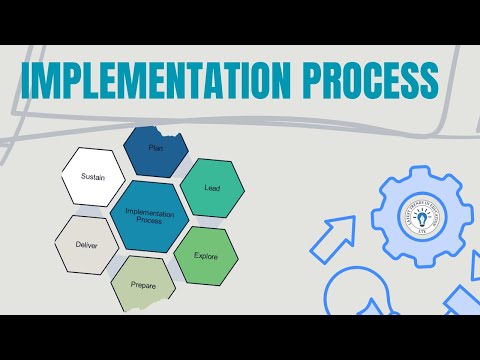
In this video, we will explore a comprehensive framework for implementation built around six essential stages: Plan, Lead, Explore, Prepare, Deliver, and Sustain. Each stage plays a unique and vital role in ensuring that change is purposeful, well-supported, adaptive, and enduring.
Change is hard. But with the right approach, it is possible to navigate complexity, build collective commitment, and create meaningful, sustainable improvements.
Understanding and mastering the stages of implementation—Plan, Lead, Explore, Prepare, Deliver, and Sustain—provides a powerful framework to do just that.
The implementation process refers to the step-by-step method of putting a plan, program, or policy into action. It involves turning ideas or strategies into actual practices, systems, or operations. It’s about executing what has been designed or decided.
In a school context, the implementation process refers to how educational programs, policies, curricula, teaching strategies, or reforms are introduced and adopted within the school system. It ensures that the new initiative is effectively integrated into day-to-day school operations.
The implementation process refers to the series of steps, strategies, and actions taken to put a planned change or innovation into practice effectively. While designing or planning an idea is crucial, the implementation process is what transforms that idea from a concept into real-world practice and impact.
Planning is the foundation. It involves defining the vision and goals of the initiative, conducting needs assessments, setting clear objectives, and mapping out resources, timelines, and success indicators. Effective planning ensures that everyone understands what the change is about, why it matters, and what success looks like.
Leadership is the engine of implementation. Strong leaders create a culture that supports change, inspire commitment, and drive the process forward. This stage focuses on identifying and empowering leadership teams, clarifying roles and responsibilities, and developing communication strategies.
Leadership is not just about top-down direction; it’s about fostering shared responsibility, distributing leadership across teams, and modeling the behaviors and attitudes needed for success.
The Explore stage is about deepening understanding and readiness. Here, organizations assess their current context, uncover strengths and gaps, and engage stakeholders in learning about the initiative.
This stage often involves piloting or trialing new practices on a small scale, collecting feedback, and refining the approach before full-scale implementation. Exploration helps reduce uncertainty and builds confidence.
A well-developed plan identifies potential challenges, anticipates risks, and sets the stage for informed decision-making. It’s a collaborative process that involves key stakeholders from the outset to build ownership and alignment.
Preparation turns insights into action. It includes professional development, resource allocation, creating support systems, and aligning policies and procedures.
Preparing well means equipping everyone involved with the knowledge, skills, and tools they need to succeed. It also means ensuring logistical details—such as schedules, materials, and technical infrastructure—are in place.
Delivery is where the plan comes alive. This stage marks the launch of the initiative across the organization. It involves executing the planned activities, providing ongoing support and coaching, monitoring fidelity, and addressing challenges in real time.
Delivery requires flexibility and responsiveness to adapt practices as needed while maintaining focus on goals and quality.
Sustainability ensures that change lasts. This stage focuses on embedding new practices into the culture, policies, and routines of the organization. It involves continuous learning, leadership renewal, resource planning, and monitoring outcomes over time.
Sustaining change prevents backsliding and helps organizations evolve the initiative to meet emerging needs and challenges.
@latesttrendsineducation